Buying a used machine is not like buying a used pickup. A lathe, excavator, press brake or packaging line is a capital asset, a production risk and, in many cases, a logistical puzzle. The price is only the first question. The harder questions are whether the machine is correctly represented, whether it can be inspected, how it will be moved, what it will cost to power, and whether it will still be supported when something breaks.
That is the problem Machinesale.ai appears built to solve: not by making machinery simple, because it is not simple, but by making the transaction more orderly. In a market long shaped by phone calls, PDF spec sheets, broker networks and scattered classified listings, a better digital layer can save time and reduce avoidable mistakes.
The old way is slow because machinery is complicated
Industrial equipment is full of details that matter. Two machines with the same model name can have very different value depending on spindle hours, hydraulic condition, controller version, tooling, attachments, maintenance records and the environment in which they worked. A CNC mill that ran one shift in a clean aerospace shop is not the same asset as one that spent years cutting abrasive castings. A wheel loader with a tight center pin and documented oil changes is a different proposition from one with vague service history and visible hydraulic weeping.
This is why buyers often spend days chasing basic facts. They ask for serial numbers, nameplate photos, videos under power, alarm histories, oil sample results, manuals and proof that a machine is not encumbered by a lien. Sellers, meanwhile, answer the same questions repeatedly and still struggle to reach the right audience. The friction is not just annoying. It can delay factory expansions, fleet replacement schedules and contractor bids.
What an AI marketplace can improve
The useful promise of a platform like Machinesale.ai is structure. Artificial intelligence is most valuable here when it helps organize messy information: turning a seller's rough description into a clearer listing, classifying machines by type, highlighting missing specifications and helping buyers compare assets in a more disciplined way.
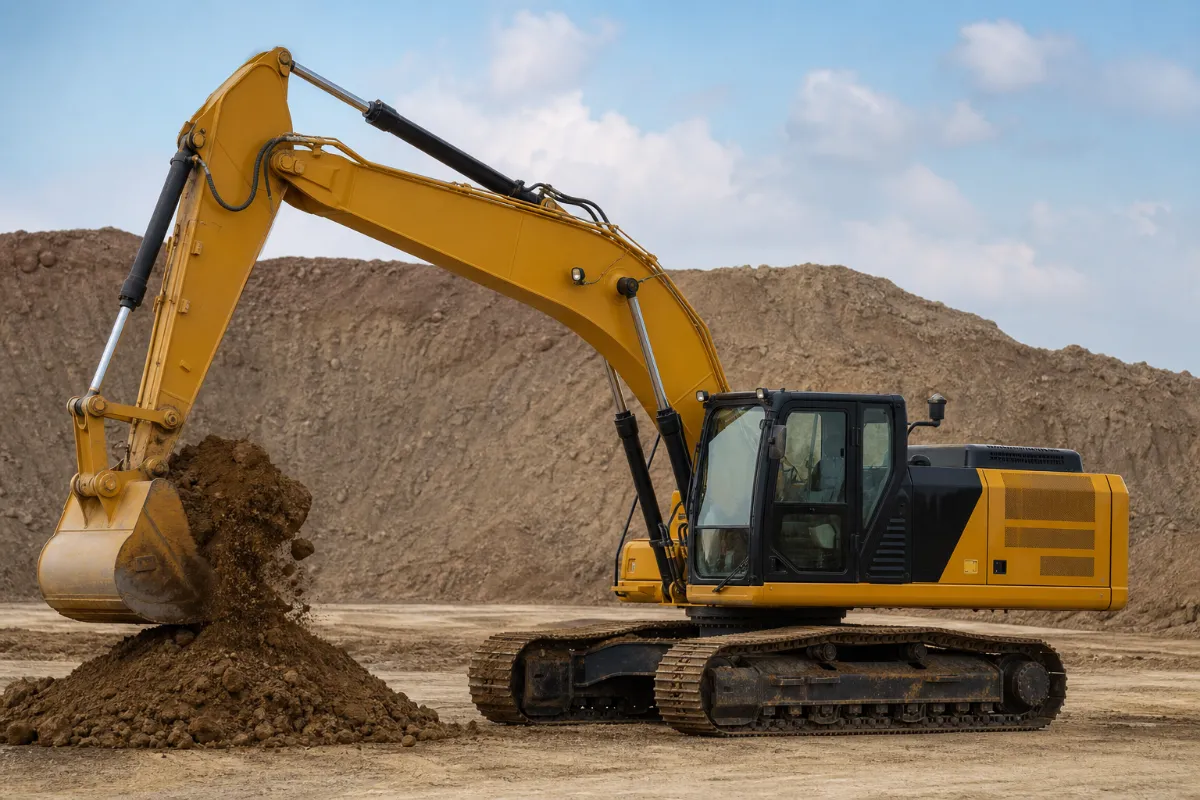
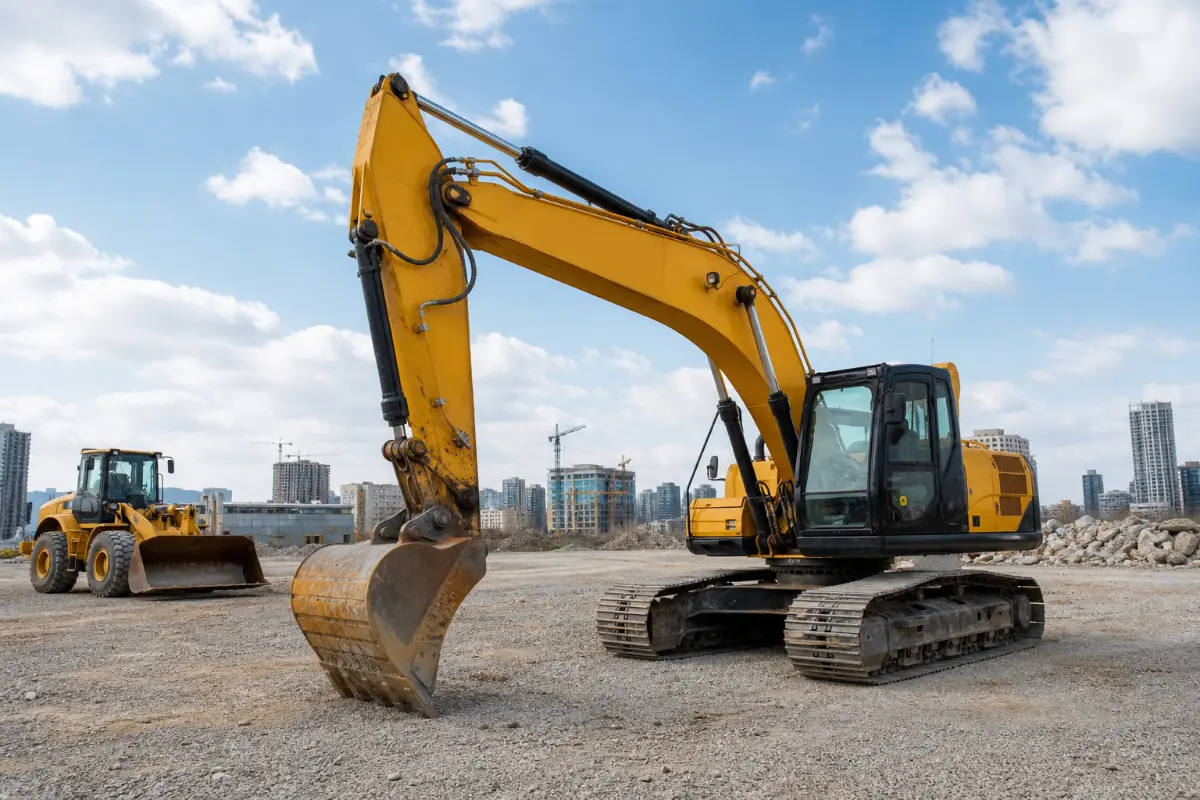
For example, a buyer looking for a 200-ton hydraulic press does not merely need the words “hydraulic press.” The buyer needs stroke, daylight, bed size, pump capacity, voltage, control type, safety equipment and whether tooling is included. A contractor shopping for a used excavator wants hours, undercarriage condition, bucket size, auxiliary hydraulic flow, emissions tier and whether the machine has been used with a breaker. If a marketplace pushes both sides toward those details, it improves the quality of the deal before anyone negotiates.
In machinery sales, the best listing is not the one with the most adjectives. It is the one with the fewest unanswered questions.
Better listings help honest sellers
Good sellers often lose money because their listings are incomplete. A machine may be well maintained, but if the photos are poor and the specifications are thin, buyers discount it as a risk. In used machinery, uncertainty has a price. The less a buyer knows, the more they must hold back to cover possible repairs, rigging surprises or missing components.
A platform that guides sellers through stronger descriptions can raise confidence. That means clear photographs of wear points, serial plates and controls; video of the machine starting, cycling and operating under load where safe; service records; and honest notes about faults. Counterintuitively, disclosure can improve outcomes. A buyer who knows a seal is leaking can price the repair. A buyer who discovers it after delivery may never return.
Buyers need search that understands intent
Traditional search often fails machinery buyers because terminology varies. One seller writes “skid steer,” another writes “compact track loader.” One shop lists a “vertical machining center,” another writes “CNC mill.” Attachments and options create more confusion. AI-assisted search can help bridge those naming gaps, matching intent rather than relying only on exact keywords.
That matters for smaller businesses. A large manufacturer may have procurement staff and preferred dealers. A small fabrication shop, farm operation or regional contractor often has one person trying to make a six-figure decision between running jobs. Better search and comparison tools can democratize access to equipment intelligence.
Trust is the real product
Every used-equipment marketplace ultimately sells trust. Machines are heavy, expensive and sometimes located hundreds or thousands of miles from the buyer. Once riggers load a 20,000-pound press brake or a crawler dozer leaves a yard, reversing the deal is difficult. Freight alone can be costly, and specialized rigging may require permits, cranes, forklifts, blocking, insurance and careful scheduling.
That is why the best machinery platforms do not merely display listings. They encourage inspection, documentation and traceability. Buyers should still verify ownership, confirm specifications with the manufacturer when possible, inspect equipment in person or through a qualified third party, and understand transport requirements before wiring funds. AI can assist, but it should not replace due diligence.
There is also a safety dimension. Industrial machines are not consumer products. A missing guard, outdated control, damaged hydraulic hose or improvised electrical repair can create serious risk. A responsible marketplace should make it easier to surface those issues, not hide them behind glossy marketing language.
Pricing becomes less mysterious
Machinery pricing is notoriously uneven. Age matters, but condition matters more. Brand reputation, parts availability, regional demand, attachments, emissions compliance and production urgency all affect value. A five-year-old machine with poor maintenance can be worth less than a 12-year-old machine with records and low hours.
AI tools can help by comparing listings, identifying similar machines and showing sellers whether their asking price is realistic. That does not mean algorithms can perfectly price every asset. They cannot. A machine with rare tooling, a recent rebuild or a hard-to-find configuration may defy simple comparison. But better market visibility narrows the gap between wishful pricing and informed negotiation.
The human expert still matters
The rise of platforms like Machinesale.ai should not be read as the end of brokers, dealers, inspectors or mechanics. In fact, the opposite may be true. Better digital marketplaces can make expert judgment more valuable by bringing serious buyers and better-documented machines into the same room. A dealer who knows a model's weak points, a mechanic who can read hydraulic symptoms, or a rigger who understands floor loading can prevent expensive mistakes.
The most practical future is not AI replacing humans. It is AI handling the dull work: formatting listings, sorting inventory, flagging missing data, translating jargon and connecting buyers with relevant machines. Humans can then focus on judgment, negotiation and verification.
Why it matters now
Machinery buyers face pressure from every side: higher labor costs, tight production schedules, supply-chain uncertainty and the constant need to stretch capital budgets. Used equipment can be a smart answer, but only if the buyer can assess risk quickly. Sellers, especially companies liquidating surplus assets, need wider reach without months of back-and-forth.
Machinesale.ai fits into that larger shift. The industrial economy is becoming more digital, but it still runs on steel, hydraulics, motors, controls and people who know how to keep them alive. A marketplace that respects both realities can make buying and selling machinery easier in the only way that really counts: by reducing confusion.
The lesson is simple. The machine may be old-school. The transaction should not have to be.