Used construction equipment is sold first with trust, and only second with horsepower. A buyer may care about lifting capacity, bucket size, emissions tier or hydraulic flow, but before any call is made, the machine is judged through photographs. In a crowded online listing, the best photos do not merely show a loader, excavator or skid steer. They answer the questions a serious buyer is already asking.
The machines that photograph best are not always the newest. They are the ones presented clearly, honestly and completely. A dusty dozer can sell if its undercarriage is shown in detail. A high-hour excavator can draw strong interest if the photos explain its condition instead of hiding it. The goal is not glamour. The goal is confidence.
The hero shot still matters
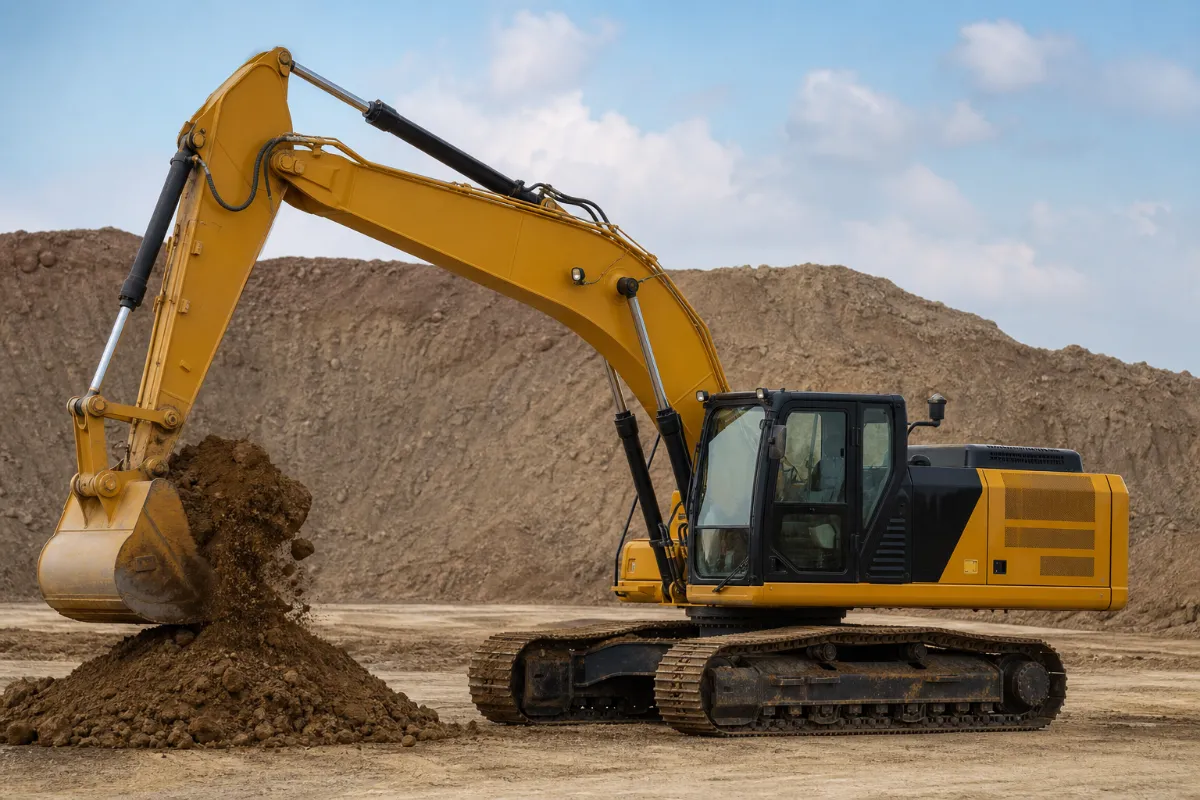
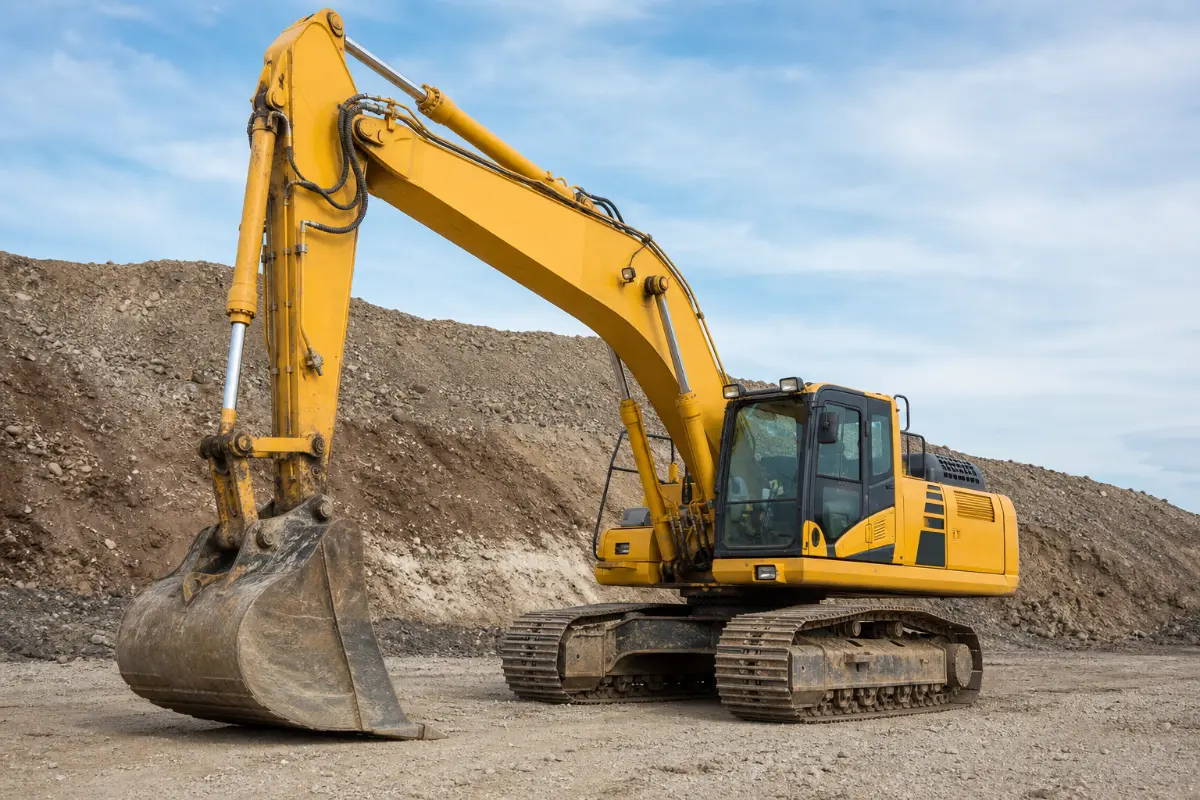
The first photo should be a clean, three-quarter front view of the machine, taken from slightly above axle height and far enough back to show the full shape. This angle works because it gives buyers a fast read on stance, proportions, attachment, tire or track condition and overall care. It is the construction-equipment version of a handshake.
Good light matters more than expensive camera gear. Early morning or late afternoon light reduces harsh shadows and makes paint, sheet metal and glass easier to read. Midday sun can wash out yellow paint and turn black hoses into dark blobs. An overcast day is often excellent because it spreads light evenly over the machine.
The background should be plain and workmanlike. A gravel yard, paved lot or clean job site is fine. Avoid taking the main photo in tall weeds, deep mud or beside scrap piles. Buyers notice. A machine photographed in disorder may look neglected even when it is mechanically sound.
Show every side, not just the good side
A strong listing includes front, rear, left side, right side and both three-quarter angles. This is basic, but many sellers skip it. Missing angles create suspicion. If the right rear corner is not shown, buyers may wonder whether there is counterweight damage, panel damage or a leaking final drive.
For excavators, include the boom, stick, bucket, counterweight, cab, tracks and carbody from several angles. For wheel loaders, show the articulation joint, loader arms, bucket edge, tires and rear grille. For skid steers and compact track loaders, show the quick coupler, undercarriage, hydraulic connections and attachment plate. Each machine type has its own pressure points, and the photo set should follow them.
Great photos do not make a bad machine good. They make a good machine believable.
The hour meter is not optional
One of the most persuasive photos in any equipment listing is the hour meter. Buyers expect it. A sharp image of the display, taken with the key on and the screen readable, removes a major uncertainty. If the machine has multiple displays or service screens, show them. If fault codes are present, do not crop them out. That shortcut can cost more trust than it saves.
Hours alone do not tell the whole story. A 6,000-hour loader with strong service history may be a better buy than a 3,000-hour machine that lived in corrosive material and never saw grease. Still, the hour reading is a benchmark. Hiding it slows the sale.
Undercarriage photos can make or break a deal
For tracked machines, undercarriage images are among the most valuable photos in the listing. Tracks, rollers, idlers and sprockets are expensive wear items, and buyers know it. On excavators, dozers and compact track loaders, show both sides clearly. Include close-ups of pads, links, sprocket teeth and rollers.
It is useful to clean heavy mud before shooting. Not to disguise wear, but to reveal it. A mud-packed undercarriage tells buyers little and often suggests the seller is avoiding the subject. If the tracks are near replacement, say so and show them. A transparent listing can still sell well because buyers can price the repair into the deal.
Hydraulics deserve close attention
Hydraulic systems are the nervous system of modern construction equipment. Pumps, cylinders, hoses, valves and couplers are costly to diagnose and repair. Buyers want to see the cylinders fully enough to judge chrome condition, leaks around seals and damage to rods. Photograph lift cylinders, bucket cylinders, boom cylinders and auxiliary hydraulic couplers where applicable.
Close-ups should be sharp and unedited. If there is seepage, show it. If hoses are new, show the fittings and routing. Machines with high-flow hydraulics, thumb circuits, quick couplers or specialized attachments should include photos of the connections and controls. For buyers comparing multiple listings, this information separates a vague machine from a usable one.
The cab is where care becomes visible
The cab photo is often underestimated. A clean cab suggests disciplined ownership. Show the seat, pedals, joysticks, monitor, switches, headliner, glass and floor. Do not photograph the cab with trash, tools, lunch containers or paperwork scattered around. That may seem minor, but buyers read it as a clue to maintenance habits.
For newer machines, digital displays and control panels matter. Buyers may want to verify ride control, return-to-dig, pattern control, grade control readiness, auxiliary flow settings or emissions information. A few clear photos can answer questions that would otherwise require a phone call.
Attachments should be treated like assets
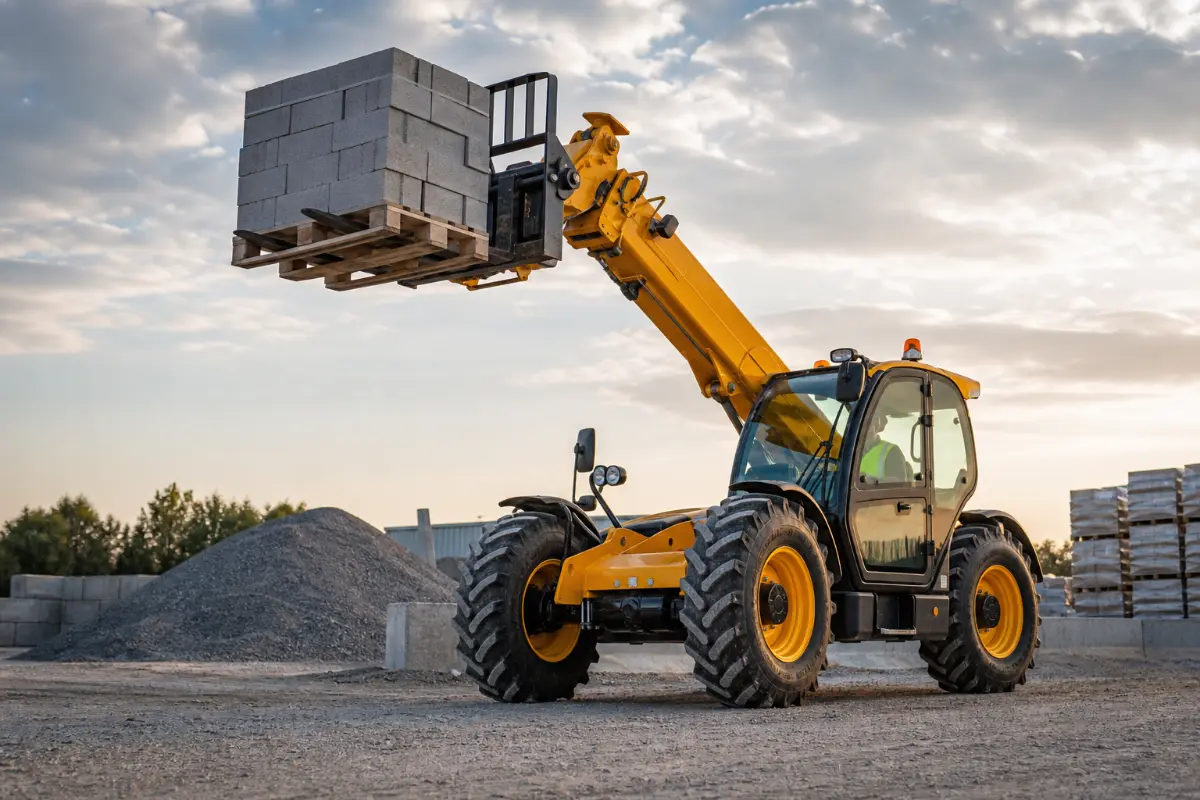
If the machine comes with a bucket, forks, hammer, grapple, thumb, mulcher or blade, photograph each attachment separately. Show cutting edges, teeth, pins, bushings, welds and mounting points. Attachments can add real value, but only if buyers understand what is included and what condition it is in.
For excavator buckets, close-ups of teeth, side cutters and pin bores are important. For skid steer attachments, show the plate, hydraulic hoses and couplers. A seller who writes “bucket included” but shows only a distant photo leaves money on the table.
Video helps, but it does not replace photos
A short walkaround video can strengthen a listing, especially if it shows cold start, idle, throttle response, boom movement, steering, braking and travel. But video should support the still photos, not replace them. Photos are easier for buyers to inspect, save, zoom and share with a mechanic or partner.
If you shoot video, keep it steady and honest. Let the engine sound be heard. Show the machine operating without loud music or quick cuts. The best equipment videos feel almost boring, which is exactly the point. They document function.
What not to do
Do not use old photos if the machine has changed. Do not rely on wet paint, filters or dramatic angles. Do not photograph only after washing if active leaks will reappear ten minutes later. Do not crop out damage. And do not lead with a stock image from the manufacturer. Buyers of used machinery are not shopping for a brochure; they are assessing risk.
Also avoid taking every photo from standing eye level. Large machines distort at close range. Step back. Use the phone lens at normal zoom rather than ultra-wide when possible, because ultra-wide lenses can bend straight lines and make buckets, arms and tires look oddly shaped.
The best-selling photo set
A practical listing for most machines should include 25 to 40 photos: a hero shot, all exterior angles, hour meter, serial plate, cab, engine bay, hydraulics, tires or tracks, undercarriage, attachments, wear points and any damage. More is not always better, but complete is better than pretty.
The underlying rule is simple: photograph the machine the way a careful buyer would inspect it in person. Start wide, then move closer. Show identity, condition, wear, function and flaws. In used construction equipment, the photos that sell best are not the ones that flatter the machine. They are the ones that reduce uncertainty.