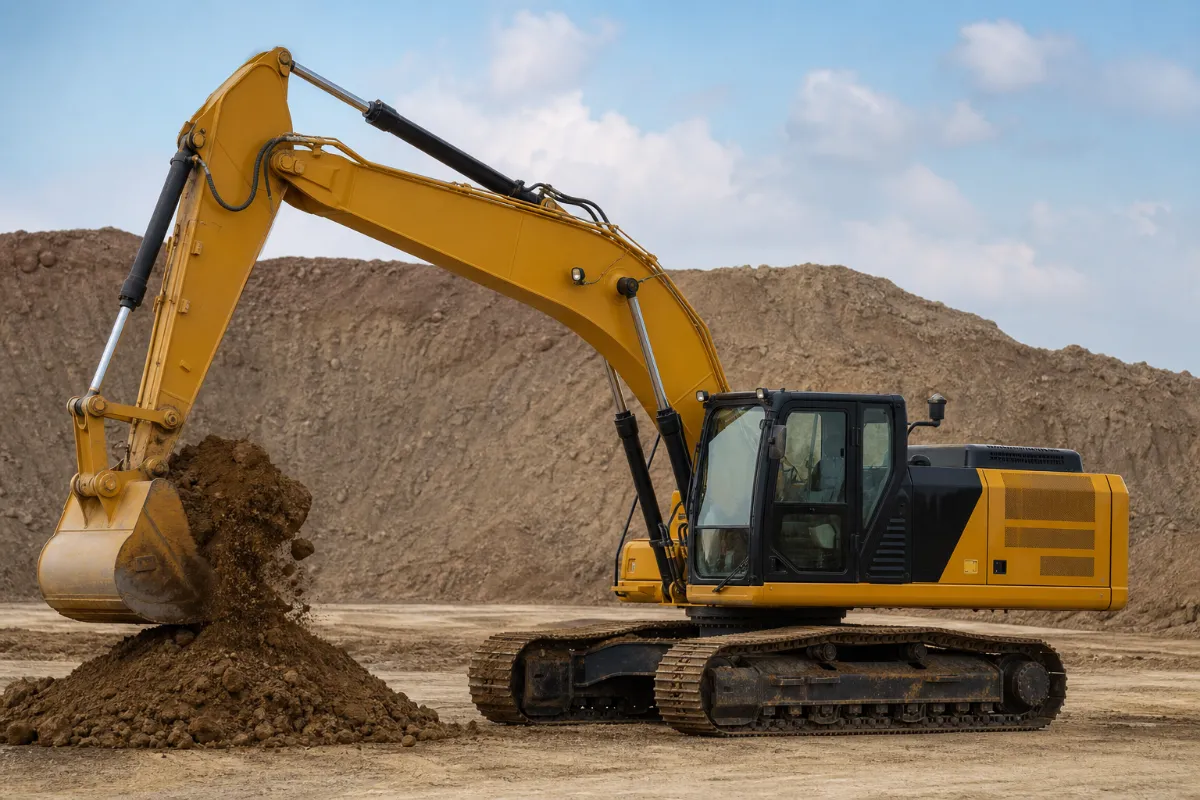
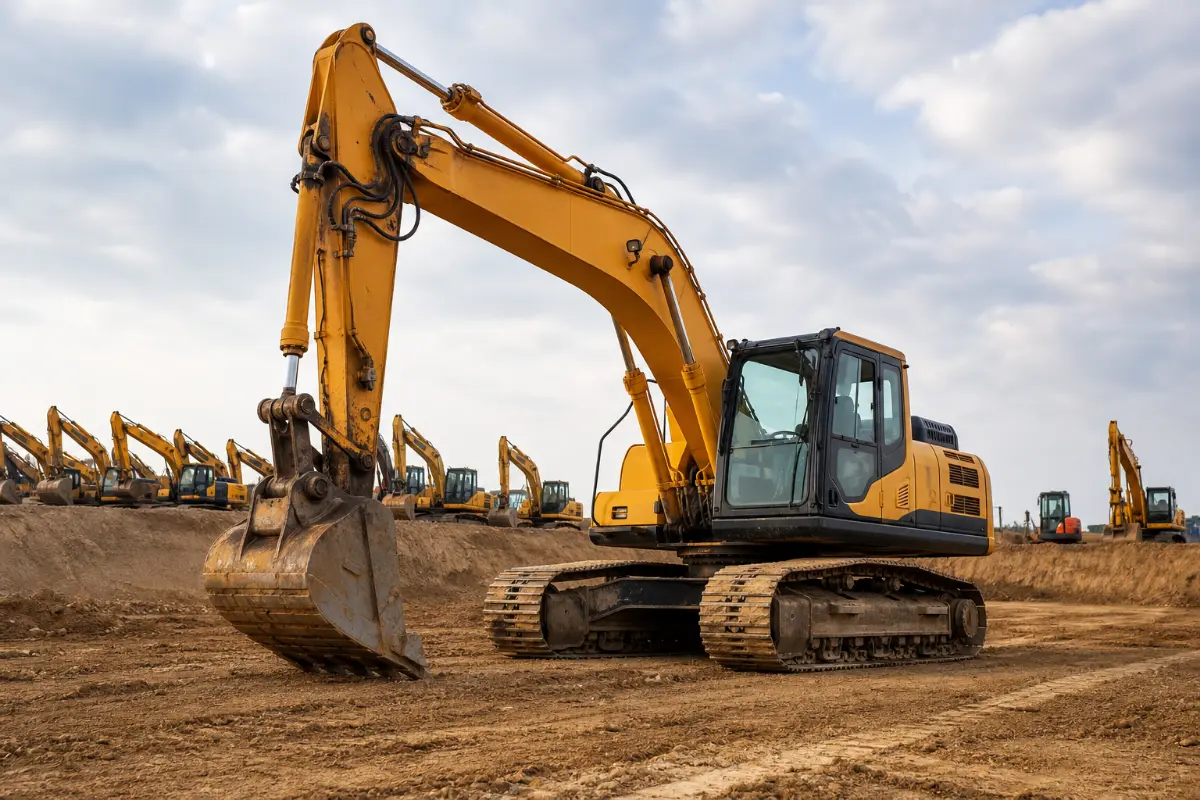
The used excavator market has begun to look less like a quiet corner of the machinery trade and more like a barometer for the entire construction economy. Buyers who once expected a meaningful discount on a five-year-old machine are increasingly finding thin inventories, firm auction prices and sellers who are in no hurry to negotiate. The rise is not random. It is the result of several pressures arriving at once: expensive new machines, delayed deliveries, aging fleets, higher repair costs and steady demand for earthmoving equipment.
The new-machine problem
Used equipment prices often start with new equipment prices. When the cost of a new excavator rises, the value of the last generation rises with it. Manufacturers have faced higher costs for steel, castings, electronics, labor, freight and emissions systems. Modern hydraulic excavators are more productive and cleaner than older machines, but they are also more complex. Tier 4 emissions packages, advanced telematics, grade-control options and electronically managed hydraulic pumps all add value, but they also add cost.
For a contractor, the math is blunt. If a new 20-ton class excavator costs substantially more than it did a few years ago, a clean used machine with 2,000 to 4,000 hours becomes more attractive. That buyer demand pushes used prices upward, especially for machines with good service records, tight pins and bushings, healthy pumps and no major undercarriage surprises.
Supply chains still cast a shadow
The worst of the pandemic-era supply shocks has eased, but the machinery market does not reset overnight. Excavators are built from thousands of parts, and some of the most important are not simple commodities. Hydraulic pumps, control valves, sensors, final drives and engine components require specialized suppliers. A shortage in one component can delay a complete machine.
During periods when new machines are delayed, owners hold on to their existing units longer. Rental companies do the same. That means fewer late-model excavators flow into the used market. The effect is especially visible in popular size classes: compact excavators used by landscapers and utility crews, mid-size machines used by site contractors, and 30-ton to 40-ton excavators used in heavier civil work.
"A used excavator is not just cheaper than a new one; in a tight market, it may be the only machine available in time for the job."
Rental fleets are selling more carefully
Rental companies have become more disciplined about fleet management. In the past, a large rental house might rotate equipment out on a predictable schedule, feeding auctions with steady supply. But when replacement machines are expensive or slow to arrive, rental fleets keep units longer. They may also retail better machines directly to trusted customers instead of sending everything to auction.
This matters because rental fleets have historically supplied many of the clean, late-model excavators that small and midsize contractors want. These machines may have higher hours, but they usually come with documented maintenance and standardized specifications. When that channel tightens, prices rise across the market.
Public works and infrastructure demand remain strong
Excavators are essential machines because they sit at the center of so many jobs: road widening, drainage work, utility trenching, site preparation, demolition, foundation digging and material handling. In the United States, public infrastructure spending has supported demand for contractors and, by extension, for equipment. Even when private commercial construction cools, water, sewer, bridge and highway work can keep excavators busy.
That steady demand supports resale values. A skid steer may be easier to park during a slowdown, but an excavator with the right bucket, thumb and coupler can move between many types of work. Its versatility gives it liquidity. Sellers know this, and buyers know it too.
Interest rates changed the calculation
Higher interest rates have made financing new equipment more expensive. A contractor deciding between a new machine with a large financed balance and a used machine with a lower purchase price may choose used, even if the used unit is no bargain. This is not always about the sticker price. It is about monthly cash flow and risk.
Small contractors are particularly sensitive to this. Many are willing to accept an older cab, fewer electronic features or some cosmetic wear if the machine can start earning immediately. In a business where idle iron can become a financial weight, availability and payment size often matter as much as brand loyalty.
Exports add another layer of competition
Used excavators do not stay within one country’s borders. Machines from North America, Europe and Japan are often exported to markets where buyers value durable, well-known brands and where used equipment can be easier to finance than new equipment. Exchange rates, shipping costs and local construction demand can all influence bidding.
This global demand is one reason auction prices can surprise domestic buyers. A machine sitting in a yard in Texas or the Netherlands may attract bidders from far beyond the local region. If the model has a reputation for simple maintenance, strong hydraulics and parts availability, the buyer pool becomes even wider.
Condition now matters more than ever
Rising prices do not mean every used excavator is suddenly valuable. The market is paying premiums for machines that reduce uncertainty. Service records, oil-sampling history, low idle time, clean emissions components and a tight undercarriage can justify stronger prices. The opposite is also true. A neglected excavator can become expensive quickly.
The undercarriage is one of the largest wear costs on a tracked excavator. Rollers, idlers, sprockets, track chains and pads can consume thousands of dollars when replacement is due. Hydraulics are another critical area. Weak travel motors, drifting cylinders, slow cycle times or metal in hydraulic oil are warning signs. Buyers are increasingly aware that a cheap machine can become costly after the first major repair.
Technology is creating a split market
There is also a subtle technology divide. Some buyers want newer machines with telematics, fuel-saving modes, integrated grade control and advanced attachments. Others prefer older, simpler machines that are easier to diagnose without dealer software. Both preferences can support prices, depending on the buyer.
Compact excavators are a good example. Their popularity has grown because they can work in backyards, urban job sites and utility corridors where larger machines cannot fit. A small excavator with auxiliary hydraulics, a hydraulic thumb and a quick coupler can replace hours of manual labor. That practical value has made well-equipped compact machines especially resilient in the used market.
Will prices keep rising?
The answer depends on supply. If manufacturers continue to deliver more new machines and rental fleets resume normal disposals, used inventory should improve. Softer construction activity could also cool bidding. But a sharp drop is not guaranteed. New equipment remains expensive, labor remains tight, and contractors continue to value machines that can make small crews more productive.
My view is that the market is not merely inflated; it has been repriced. Buyers are paying more because excavators have become harder to replace, more expensive to build and more central to productivity. That does not mean every asking price is justified. It means the old assumptions about depreciation may no longer hold.
For buyers, the lesson is simple: inspect harder, budget for repairs and compare the total cost of ownership, not just the purchase price. For sellers, the moment remains favorable, particularly for clean machines in popular weight classes. The used excavator has always been a workhorse. Now it is also a scarce asset, and the market is pricing it accordingly.